Back in the day, among university and college students at least, the concept of being socially aware, active in addressing social injustices and advocating for equality, was taken as read. Even in some conservative quarters having a social conscience was seen as a good thing. Those of us who lived through the civil rights movement of the 1960s and 1970s. didn’t label ourselves ‘woke’. But it would have certainly sat well with my social values, which emphasised the inherent worth and value of every individual, regardless of their race, social or economic status. Most of the people I knew had an inbuilt radar for inequality. In those days being ‘woke’ was lived and not mentioned.
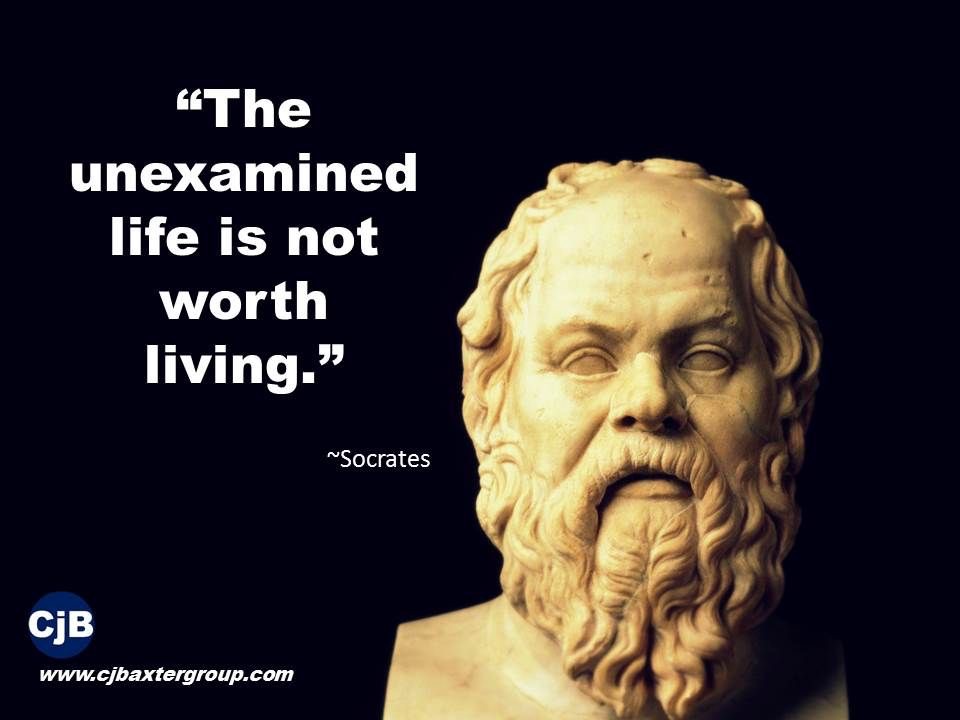
For a word that’s thrown about so often, it’s surely has many of us scratching our heads these days as to its actual meaning or scope.
Originally associated with the growth of black consciousness, ‘Stay Woke’ was a call for blacks to be constantly alert to prejudice, inequality and racial discrimination. As writer Kenya Hunt says, to be woke is to ‘understand the unique kind of exhaustion that comes from being perpetually attuned to discrimination.’ There are few Caucasians who could lay claim to that statement.
These days the scope of the movement is much wider, seeking to address inequalities wherever they’re found and encompassing a range of social cultural and political issues including race gender, ethnicity, class and ability. Indeed the tentacles of woke culture know no bounds, but when it degenerates into Wokeism some would accuse the movement of overreach. And that they have gone too far in policing language, behaviour and beliefs, triggering backlash and resistance.
Change, especially systemic change is unsettling for many people especially when it threatens deeply held beliefs or ‘norms’ and the rate of change driven by woke culture can evoke fear uncertainty and confusion in many individuals. especially when weaponised in certain quarters of the media.
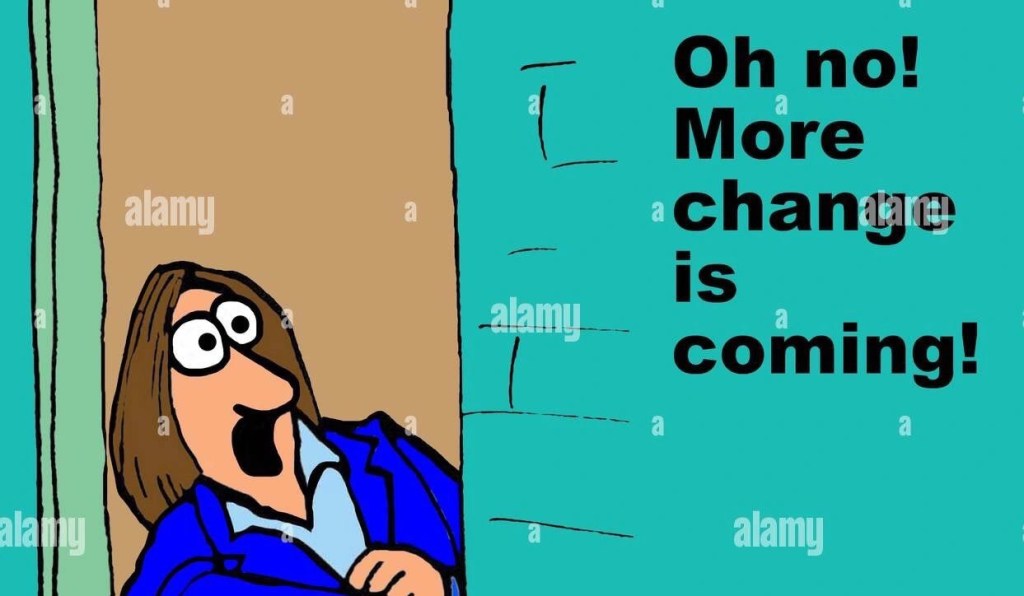
Predictably the far right has unleashed a war on woke, capitalising on those fears by highjacking all things woke for their own nefarious reasons. In their own brand of identity politcs the anti-woke warriors are sounding like ludicrous parodies. Woke has now morphed into a cringeworthy term which they use as a stick to beat people who aspire to decent values like fairness or support for the marginalised and oppressed.

The very word acts like a lightning rod to divide and polarise opinions, their social justice activities demonised as somehow a threat to traditional values or beliefs. By overly sensationalising stories and amplifying extreme examples, like the recent massive overreaction to Gemini AI, right wing tabloids can appeal to voters who feel alienated by progressive social movements. It’s a way of rallying their base and keep dumbing down real news.
While it may be challenging to reclaim or restore the original positive and empowering connotations of the term in the face of negative associations, it’s important to work actively to help reassert the core values that the term is meant to represent.

Integral Thinking
If we’re really looking for inclusivity of a sustainable kind the only thing that makes sense to help pave the way, is integral thinking. The days of pointless tit for tat have to be transcended.
Ken Wilber’s integral systems model is a holistic approach that seeks to integrate multiple perspectives and levels of reality in order to create a more comprehensive understanding of the world. The model emphasises the importance of inclusivity and recognising the interconnectedness of all aspects of human experience.
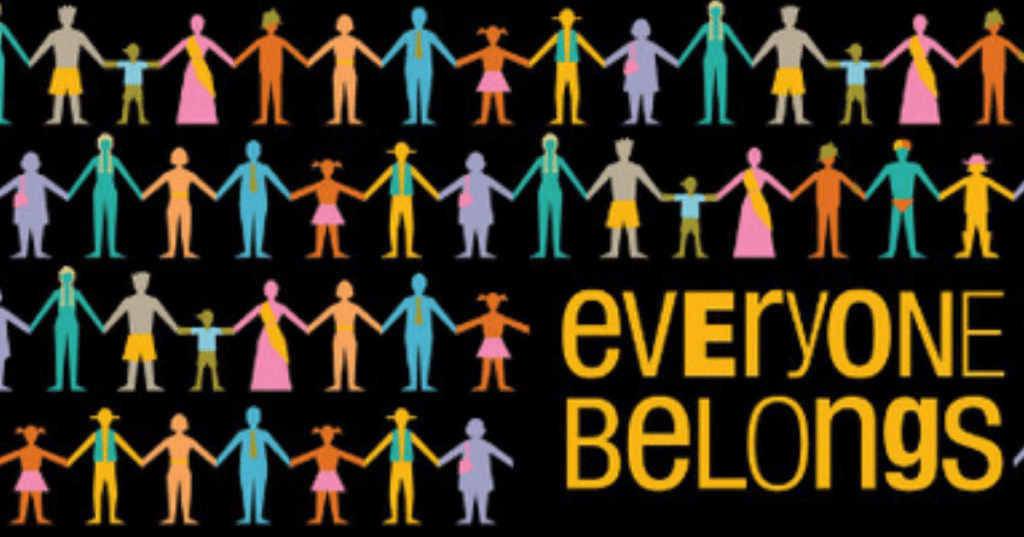
In the context of the woke movement, Integral thinking could provide a framework for understanding and addressing the complexities of social issues in a more holistic and inclusive manner for all.
As Ken himself often says, nobody is dumb enough to be wrong all of the time. Or put another way, we all share a bit of the wisdom. None needs to be cancelled.
By taking a multi-perspectival approach it bridges divides and fosters greater understanding and collaboration among groups with diverse viewpoints.
Ultimately, creating a future worth having requires a commitment to inclusivity and a recognition of the value of ALL voices and experiences. By incorporating principles of inclusivity and interconnectedness, models like Integral may offer a promising path forward for promoting social justice and equality in a more comprehensive and sustainable future.
Wilber has been saying since Trump first entered the White House that what is needed is for the leading edge is to evolutionary ‘self-correct’. Building bridges is essential. We have to lead by example.
Embody values of critical thinking. compassion and inclusivity. If you read news read it widely. Remember to fact check. Be extremely wary of tabloids. Do some shadow work which will mean working on your self-awareness. Practice active listening. See what you can learn. It doesn’t mean you don’t disagree with someone but you have no chance of inspiring others to different viewpoints without engaging in constructive dialogue. Throwing insults in either direction veiled or directly always has negative consequences.
The more perspectives you are able to take, the more grown up the conversation becomes. And we all need to engage in a bit of that right now.
 Integral Wisdom Activist
Leave a comment